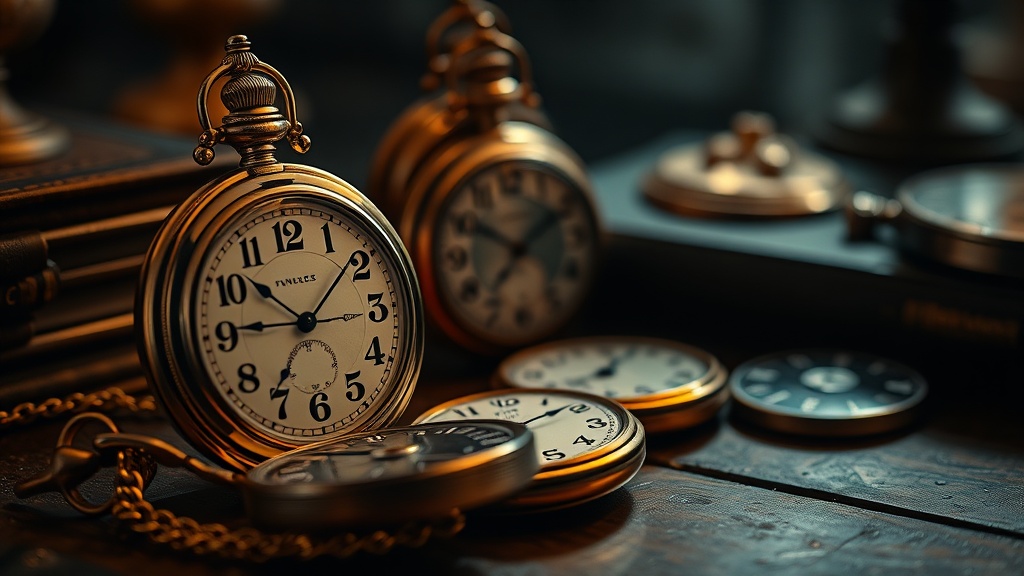
A Beginners Path to Sourcing High Quality Vintage Pocket Watches

You find a beautiful gold-filled Waltham on an auction site, click "buy," and two weeks later, a piece arrives with a cracked crystal and a movement that won't even tick. It's a frustrating way to start a collection. This guide breaks down the specific steps for sourcing high-quality vintage pocket watches, focusing on how to identify quality movements, where to look beyond the obvious-looking marketplaces, and how to avoid the common pitfalls of buying "untested" pieces.
What Should I Look for in a Quality Vintage Pocket Watch?
You should look for a high-grade movement from a reputable manufacturer, a clean dial with legible markings, and a case that hasn't been over-polished. Quality isn't just about the brand name; it's about the mechanical integrity of the internal components.
When I'm scouting for pieces, I look at the movement first. A high-quality watch like a Waltham or a Longines usually features a "jeweled" movement. This means there are synthetic rubies acting as bearings to reduce friction. If you see a movement with zero jewels, it's likely a low-grade piece designed for mass production and quick obsolescence.
Check the escapement. A lever escapement is generally more reliable and easier to service than a cylinder escapement. If you're unsure about the internal mechanics, you might want to read about finding your perfect match with lever vs cylinder escapements before you spend any serious money.
The case material is the next big factor. Gold-filled cases (often marked "14K GF") are much better than gold-plated ones. Gold-filled means a thick layer of gold is mechanically bonded to the base metal, whereas plating is just a thin, superficial wash. A plated watch will show the base metal (often brass or copper) through the wear very quickly.
The Quality Checklist
- Movement Grade: Look for "Grade A" or high jewel counts (15-21 jewels).
- Dial Condition: Avoid heavy oxidation or "spidering" in the enamel unless you want a patina look.
- Case Integrity: Ensure the case isn't dented or significantly warped.
- The "Wiggle" Test: If you can feel a loose part rattling inside the movement, walk away.
Where Can I Buy High-Quality Vintage Pocket Watches?
The best places to source high-quality watches are specialized estate auctions, reputable horological dealers, and established collectors' forums.
eBay is the most common starting point, but it's a minefield. Most of what you see there is "junk" or unserviced pieces. If you use eBay, look for sellers who provide high-resolution photos of the actual movement, not just a stock photo of a generic watch. If they won't show you the inside, they aren't selling a high-quality piece.
For a better experience, I recommend looking at specialized auction houses. These often include estate sales where the provenance of the watch is more likely to be intact. You might find a piece that was part of a lifelong collection rather than a "flipped" item from a dealer looking for a quick buck.
On the flip side, local antique shops can be gold mines if you find the right person. If the shop owner knows nothing about watches, don't buy anything. If they can tell you the difference between a Hamilton and a generic Swiss movement, you've found a good spot.
| Source Type | Pros | Cons |
|---|---|---|
| Online Marketplaces (eBay/Etsy) | Huge variety; low prices. | High risk of "junk" or broken parts. |
| Specialized Dealers | High quality; guaranteed service. | More expensive; limited selection. |
| Estate Auctions | Great finds; authentic history. | Harder to verify condition instantly. |
How Do I Verify the Authenticity of a Brand?
To verify authenticity, you must cross-reference the serial numbers and hallmarks against established manufacturer databases and physical characteristics of that era.
Every reputable maker had a specific way of marking their work. For example, if you're looking at a pocket watch from the late 19th century, the hallmark on the case should match the era's specific metal standards. A high-quality gold piece will have much more distinct, deep engravings than a cheap imitation.
One trick I use is checking the movement's serial number. Many manufacturers, like Hamilton, had very specific production runs. If the serial number suggests a watch from 1910, but the dial has a design from 1930, you're looking at a "marriage watch"—a frankenwatch made of parts from different eras. These aren't inherently bad, but they aren't "original" and hold much less value.
If you're confused about the timing, you'll eventually need to understand why your vintage pocket watch runs fast or slow. A watch that runs wildly fast is often a sign of a worn-out escapement or a dirty movement. It's a physical symptom of a quality issue.
Don't be afraid to ask for more photos. A real collector or a professional dealer will have no problem sending you a macro shot of the movement or the hallmark on the inside of the case. If they get defensive or vague, move on. It's that simple.
The cost of entry varies wildly. You can find a working, decent-quality pocket watch for $50, but a truly high-grade piece from a brand like Patek Philippe or a high-end Waltham gold piece will cost thousands. Always budget for a service. If you buy a "running" vintage watch, assume it needs a cleaning and oiling within the first year of ownership. Buying a watch that is "unserviced" is basically buying a project, not a timepiece.
One thing to keep in mind: the case and the movement are two different stories. You can have a stunning, heavy gold case with a piece of absolute junk inside. Always prioritize the movement. A beautiful case is nice, but the movement is the soul of the piece. If the movement is damaged or low-grade, the whole watch is essentially a paperweight.
When you're out in the field—whether that's an antique mall in Portland or a digital auction—keep your eyes on the details. The difference between a treasure and a paperweight is often just a few millimeters of engraving or a single tiny jewel. Take your time. The best pieces are usually the ones that require a bit of detective work to find.