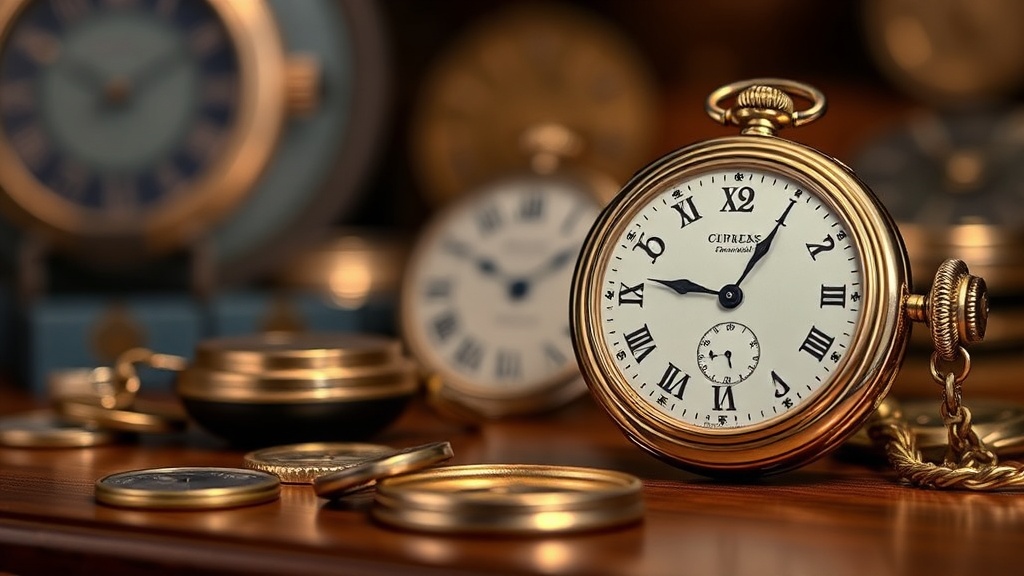
Preserving Mechanical Marvels: Thoughtful Storage and Display for Your Pocket Watches

Preserving Mechanical Marvels: Thoughtful Storage and Display for Your Pocket Watches
Understanding how to properly store and display your pocket watch collection is crucial for their longevity and aesthetic appeal. This guide will walk you through environmental considerations, physical protection methods, and effective display strategies, ensuring your horological treasures remain in pristine condition for generations.
Pocket watches, whether antique heirlooms or modern acquisitions, are delicate instruments. Their intricate mechanisms, often crafted from brass, steel, and precious metals, are susceptible to various environmental factors that can accelerate wear, tarnish, or even cause irreversible damage. Proper care goes beyond just regular servicing; it encompasses how and where these pieces reside when not being admired or worn. Consider this less about mere safekeeping and more about active preservation—a commitment to honoring their craftsmanship and history.
Ignoring these aspects can lead to issues ranging from cosmetic degradation, like tarnished cases and faded dials, to more severe mechanical problems caused by corrosion or dust ingress. A well-planned storage and display strategy isn't just about protecting your investment; it's about maintaining the integrity of miniature works of art, allowing their stories and functions to endure.
What Environmental Factors Threaten Pocket Watches?
The environment around your pocket watch can be its greatest ally or its most formidable adversary. Several key factors demand attention:
- Humidity: High humidity is perhaps the most insidious threat. It promotes corrosion, particularly on steel components within the movement, and can also lead to mold growth on dials or straps if present. Conversely, excessively low humidity can dry out lubricants, leading to increased friction and wear. The ideal range is generally between 40% and 60% relative humidity.
- Temperature: Extreme temperature fluctuations, or consistently high temperatures, can adversely affect a watch's lubrication and precision. Gaskets and seals may degrade more quickly, and metal components can expand and contract, potentially stressing delicate parts. A stable, moderate room temperature, ideally between 60-75°F (15-24°C), is best.
- Light: Prolonged exposure to direct sunlight or strong artificial light can cause significant fading to dials, especially those with painted numerals or radium lume. UV radiation is particularly damaging, breaking down organic materials and pigments over time. Store watches away from direct light sources or in opaque containers.
- Dust and Pollutants: Microscopic dust particles can ingress through minuscule gaps in the watch case, accumulating within the movement. This acts as an abrasive, accelerating wear on gears and pivots. Chemical pollutants—common in many household environments from cleaning products to cooking fumes—can also cause corrosion or tarnish metal surfaces.
- Magnetic Fields: Modern living is awash in magnetic fields, emanating from speakers, televisions, smartphones, and even certain handbags with magnetic clasps. Strong magnetic fields can magnetize a watch's hairspring, causing it to run erratically and lose accuracy. While demagnetization is possible, it's best to avoid exposure altogether.
Understanding these threats is the first step in formulating a robust preservation plan. Think of your pocket watch as a living entity, sensitive to its surroundings, and plan its home accordingly.
How Can I Best Safeguard My Pocket Watch from Physical Damage?
Beyond environmental control, physical protection is paramount. Accidental drops, scratches, and impacts are common foes that can easily mar a beautiful case or, worse, damage the delicate movement within. Here's a multi-pronged approach to physical protection:
- Individual Pouches or Wraps: For watches stored together, or for those frequently handled, individual soft pouches are invaluable. These should be made of non-abrasive materials like soft flannel, microsuede, or silk. Avoid synthetic materials that might scratch or contain chemicals that could react with the watch case. Each watch should have its own pouch to prevent metal-on-metal abrasion.
- Watch Cases and Boxes: Dedicated watch cases offer superior protection, often featuring individual compartments lined with soft materials. These range from simple wooden boxes to elaborate, multi-drawer cabinets. Look for cases that seal well to provide an additional barrier against dust and humidity. If the case doesn't have a hygrometer, consider adding a small, dedicated one to monitor humidity levels. Some collectors also opt for purpose-built display cases that feature UV-filtering glass.
- Display Stands: For watches on display, sturdy, well-designed stands are essential. These prevent the watch from rolling off surfaces and elevate it for better viewing. Ensure the stand grips the watch securely without putting undue pressure on the bow or pendant. Acrylic, wood, or velvet-covered metal stands are generally good choices. Avoid bare metal stands that could scratch the case back.
- Handling Practices: The simplest form of protection begins with how you handle the watch. Always hold it by the case, not the chain or pendant. When winding or setting, ensure you have a firm, stable grip. Work over a soft surface, like a padded mat or a cloth, to cushion any accidental drops. Wearing clean cotton gloves can also prevent fingerprints and minimize the transfer of oils and acids from your skin, which can accelerate tarnishing.
- Secure Placement: Whether stored or displayed, ensure your watches are in a secure location. This means away from edges where they could be easily knocked off, out of reach of children or pets, and ideally in a place that isn't prone to vibrations. A locked cabinet or safe offers an additional layer of security against theft and accidental damage. For more on protecting valuable items, resources like the