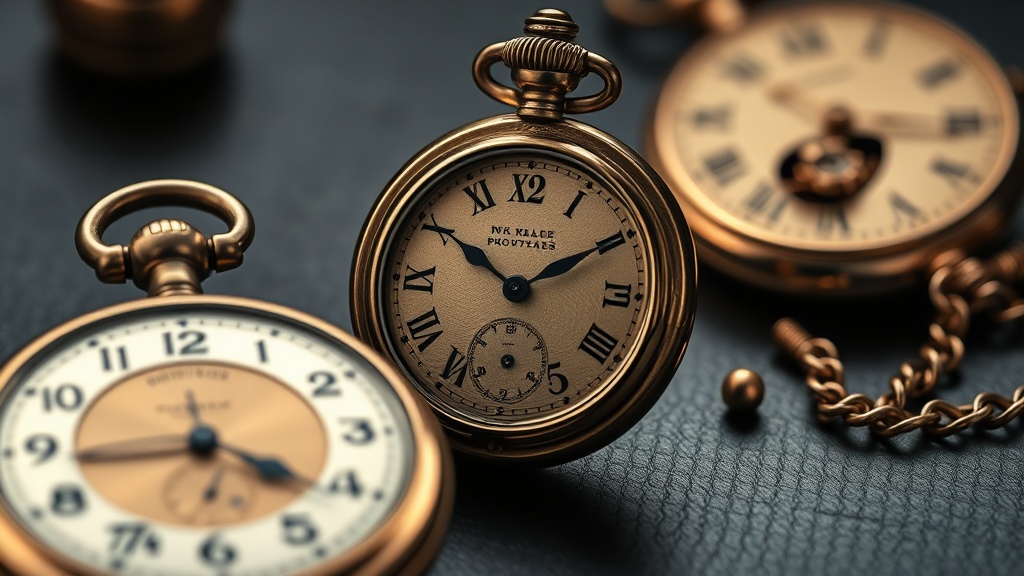
Why Metal Composition Matters for Your Vintage Pocket Watch Collection

Many collectors assume that a "gold" pocket watch is inherently more valuable or durable than one made of silver or brass. This is a misconception that ignores the complexities of metallurgy and the sheer variety of alloys used during the 19th and early 20th centuries. Understanding what your timepiece is actually made of—not just the color of the metal—is the difference between a smart acquisition and a costly mistake. Whether you are looking at high-karat gold, gold-filled cases, or nickel-plated steel, the chemical makeup dictates how the watch ages, how it reacts to the environment, and how much it will actually be worth in a decade.
Is Gold Filled or Solid Gold Better for a Collector?
When browsing auctions or estate sales, you'll often see the terms "gold-filled" and "solid gold" used in close proximity. They aren't the same thing, and the distinction is massive. A solid gold watch is a piece of jewelry as much as a timepiece; it's heavy, chemically stable, and retains high intrinsic value. Gold-filled cases, however, involve a thick layer of gold bonded to a base metal (usually copper or silver) through heat and pressure. While a gold-filled watch looks identical to a solid gold piece at first glance, it's a different beast entirely.
The problem with gold-filled pieces is that the gold layer can eventually wear away, especially on high-friction areas like the case back or the winding stem. This reveals the base metal underneath, often turning a once-golden piece into a dull, brownish-looking object. If you're building a collection meant to be passed down, knowing the difference helps you price your pieces accurately. For those interested in the technical breakdown of metal purity, the Gemological Institute of America (GIA) offers deep dives into how precious metals are verified and graded.
A gold-filled watch is a beautiful, accessible way to own a luxury-looking piece, but don't mistake it for a high-value bullion investment.
Silver, specifically sterling silver, presents a different set of challenges. Silver is a soft metal, meaning the fine details of a chased or engraved case can wear down over decades of handling. It also undergoes oxidation, or tarnish, which can actually be quite beautiful if you prefer a vintage look, but it requires regular attention to prevent the metal from becoming brittle or overly darkened.
How Does Metal Type Affect the Long-Term Value?
The value of a vintage pocket watch isn't just about the movement inside; it's about the container. A high-grade movement in a low-grade case is a common way collectors lose money. If you find a beautiful, heavy-looking gold watch, don't assume it's high-karat. Many makers used "gold vermeil" or heavy plating to give a premium feel to more affordable pieces. To check this, look for hallmarks or small stamps on the inside of the case back. If you see marks like "14K" or "18K," you're looking at solid gold. If you see "GF" or "GP," you're looking at gold-filled or gold-plated.
Stainless steel and nickel were also popular in the early 20th century for more "utilitarian" watches. These metals are much tougher and more resistant to the elements than silver or gold-filled alloys. A steel case is much more likely to survive a bump or a scratch without significant structural damage. However, steel can still rust if the plating is compromised, which is why keeping your watches in a controlled environment is a good idea. For a deeper look into the history of metal-based craftsmanship, the British Museum archives provide incredible context on how materials shaped human history.
What Metals Are Most Durable for Daily Wear?
If you intend to actually carry your pocket watch in a waistcoat pocket every day, your choice of metal matters immensely. Gold is relatively soft and can dent under pressure, though it doesn't rust. Silver is even more temperamental due to its reaction to sulfur in the air. Stainless steel is the champion of durability, but it lacks the warmth and prestige of precious metals. If you want a piece that can withstand the rigors of daily use without constant polishing, look for high-quality steel or even platinum-toned alloys.
The choice often comes down to a trade-off between aesthetic appeal and mechanical survival. A heavy gold hunter-case watch is a statement of status, but it's also a soft, delicate object. A nickel-plated pocket watch might look more "industrial," but it's built to last through years of constant contact with coins and keys. Consider your lifestyle before you commit to a specific metal type. If you're a collector who prefers to keep pieces in a display case, the durability of the metal is less important than the visual luster of the gold or silver.
One thing to keep in mind is the weight. A solid gold watch will have a distinct, substantial heft that a gold-filled or plated watch simply cannot replicate. This weight isn't just a feeling; it's a physical indicator of the density of the metal. When you're evaluating a new find, don't just look at it—feel it. The way a watch sits in your palm can tell you a lot about its composition before you even reach for a jeweler's loupe.