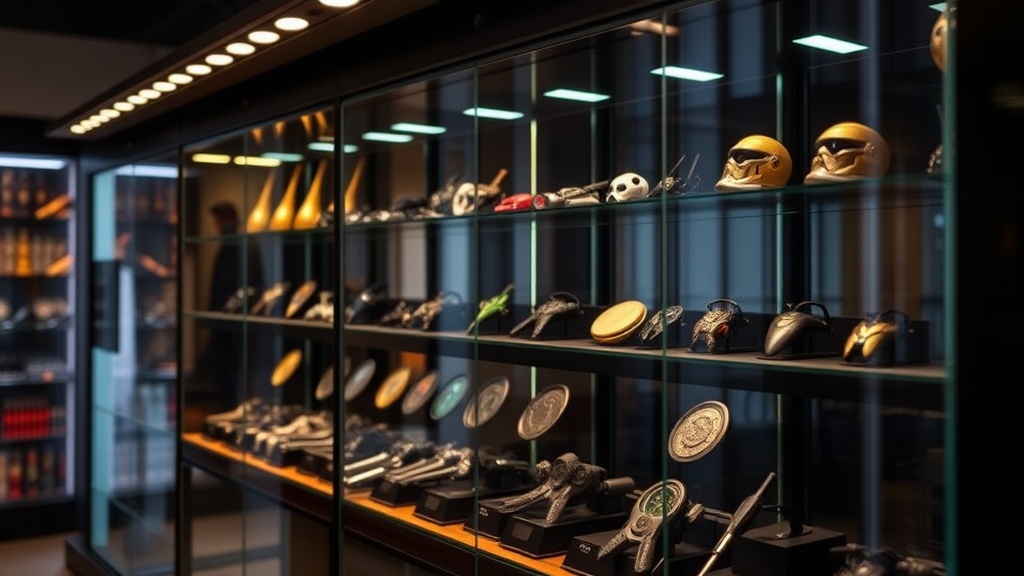
Choosing the Right Display Case for Your Collection

A collector moves a heavy wooden box across a bookshelf, only to realize a thin layer of gray dust has settled into the intricate engravings of a gold Waltham hunter case. The glass lid of the display case is slightly ajar, allowing humidity and particulate matter to settle on the delicate mechanical parts. This isn't just a matter of aesthetics; it's a matter of preservation. This guide looks at how to select and maintain the right display cases to protect your vintage timepieces from environmental damage and physical wear.
A display case serves two purposes: it shows off the craftsmanship of your collection and acts as a physical barrier against the elements. If you leave a high-grade timepiece sitting on a bare wooden shelf, you're inviting dust, moisture, and sunlight to become enemies of your collection. You need a solution that balances visibility with airtight-ish protection.
What Materials Are Best for Watch Display Cases?
The best materials for watch display cases are high-quality acrylic or tempered glass paired with non-reactive wood or metal. You want a material that won't off-gas chemicals that could corrode the brass or silver components of your watches. While many cheap options use low-grade plastics, serious collectors often look toward solid wood bases with glass tops or high-end acrylic cases from brands like acrylic-based display manufacturers.
When choosing a material, consider the following:
- Glass: Great for clarity and scratch resistance, but heavy. Tempered glass is much safer if a case is accidentally knocked over.
- Acrylic: Lightweight and shatterproof. It's easier to transport, but it can scratch more easily than glass if you aren't careful.
- Wood: Provides a classic, vintage look. Just ensure the wood is well-sealed so it doesn't release acidic vapors.
- Metal: Often used for the structural frame. Aluminum or stainless steel is excellent for preventing rust.
Avoid using any display materials that have a strong chemical scent. If you can smell the "new plastic" odor from a distance, that's a red flag. Those volatile organic compounds (VOCs) can actually react with the oils inside a vintage movement. It's a small detail, but it matters. If you've already spent a lot of time determining a pocket watch's value, you won't want a cheap plastic case ruining the finish.
How Do You Protect Watches from Humidity and Dust?
You protect watches from humidity and dust by using a sealed case combined with specialized desiccant packets. A display case alone isn't a vacuum; moisture and tiny particles can still find their way in. To truly protect a collection, you need to manage the micro-environment inside the case.
Dust is the silent killer of mechanical movements. Even if a watch is closed, fine particles can enter through gaps in the case. Once they hit the movement, they act as an abrasive. This is why a high-quality seal is so important. If you use a glass-and-wood combination, ensure the lid fits snugly.
Humidity is a different beast. High humidity can lead to oxidation on silver cases or even cause rust on steel components. A common tactic is to place a small silica gel packet inside the base of the case. Just don't let the packet touch the watch directly—you don't want any chemical transfer. If you're worried about the internal environment, you might look into specialized humidity-controlled cabinets used by museum curators.
A quick tip: check your cases once a month. If you see fogging on the inside of the glass, your humidity levels are too high. This is a sign you need more desiccant or a better seal. It's much easier to fix a foggy case than it is to repair a rusted movement.
The Comparison of Display Types
| Display Type | Best For | Pros | Cons |
|---|---|---|---|
| Single Watch Box | Specialty pieces | Highly protective, elegant | Limited capacity |
| Acrylic Cubes | Modern aesthetics | Lightweight, affordable | Scratches easily |
| Wooden Wardrobe | Large collections | Traditional look, sturdy | Heavy, high footprint |
| Glass Vitrine | Showcase pieces | Maximum visibility | Requires frequent cleaning |
Should You Use LED Lighting for Your Display?
LED lighting is the safest choice for displaying vintage watches because it produces very little heat and zero UV radiation. Traditional incandescent bulbs get hot, and that heat can actually dry out the internal lubricants of a mechanical watch. Over time, this can lead to the oils thickening or even gumming up the gears.
UV light is another issue. If your display case sits near a window, even with glass, UV rays can degrade certain materials. While a metal pocket watch won't "fade" like a textile, the enamel dials or any leather cases can suffer. LED lights are much cooler and don't emit the harmful rays that can affect the aesthetics of your collection.
When setting up lights, don't point them directly at the watch face. Instead, aim them at the base or the surrounding structure to create a soft, diffused glow. This prevents harsh glares and makes the metal surfaces look rich rather than "blown out" by bright light.
If you're displaying a piece that you've recently worked on—perhaps after cleaning a vintage movement—you'll want to be extra careful about light and heat. You want the piece to look its best without subjecting it to unnecessary stress.
Here's a quick checklist for your lighting setup:
- Use only LED bulbs to minimize heat.
- Ensure the light is diffused to avoid harsh reflections on the glass.
- Avoid placing the case in direct sunlight.
- Keep the light source a few inches away from the actual timepiece.
How Much Does a Good Display Case Cost?
The cost of a high-quality display case varies wildly depending on whether you are buying a single-watch box or a full-sized wooden cabinet. You can find basic acrylic stands for $20, but a professional-grade wooden and glass display case for a collection can easily run into the hundreds or even thousands of dollars.
Think of your display as an investment in the longevity of your collection. A cheap, flimsy plastic box might save you money today, but it won't protect your watches from the long-term effects of dust and light. If you're a serious collector, it's worth spending more on a case that offers a solid seal and high-quality glass.
Don't forget the "hidden" costs, like the cost of maintenance. You'll need a good microfiber cloth and perhaps a specialized cleaner for the glass. It's also worth considering the cost of desiccant packets to keep your humidity in check.
If you're on a budget, look for vintage wooden jewelry boxes at antique shops. These often have the weight and character that modern plastic-heavy options lack. You can often find high-quality wood and glass combinations that just need a little bit of polishing to look incredible. Just be sure to check that the wood isn't crumbling or treated with something that could harm your watches.
Whether you're displaying a single heirloom or a growing collection of dozens, the goal remains the same: visibility without compromise. A well-chosen case keeps your pieces looking sharp and, more importantly, keeps them in working order for years to come.